
NNMJ Conference: Lagos NUJ Chairman, Akodu, appeals to Customs to sustain reforms
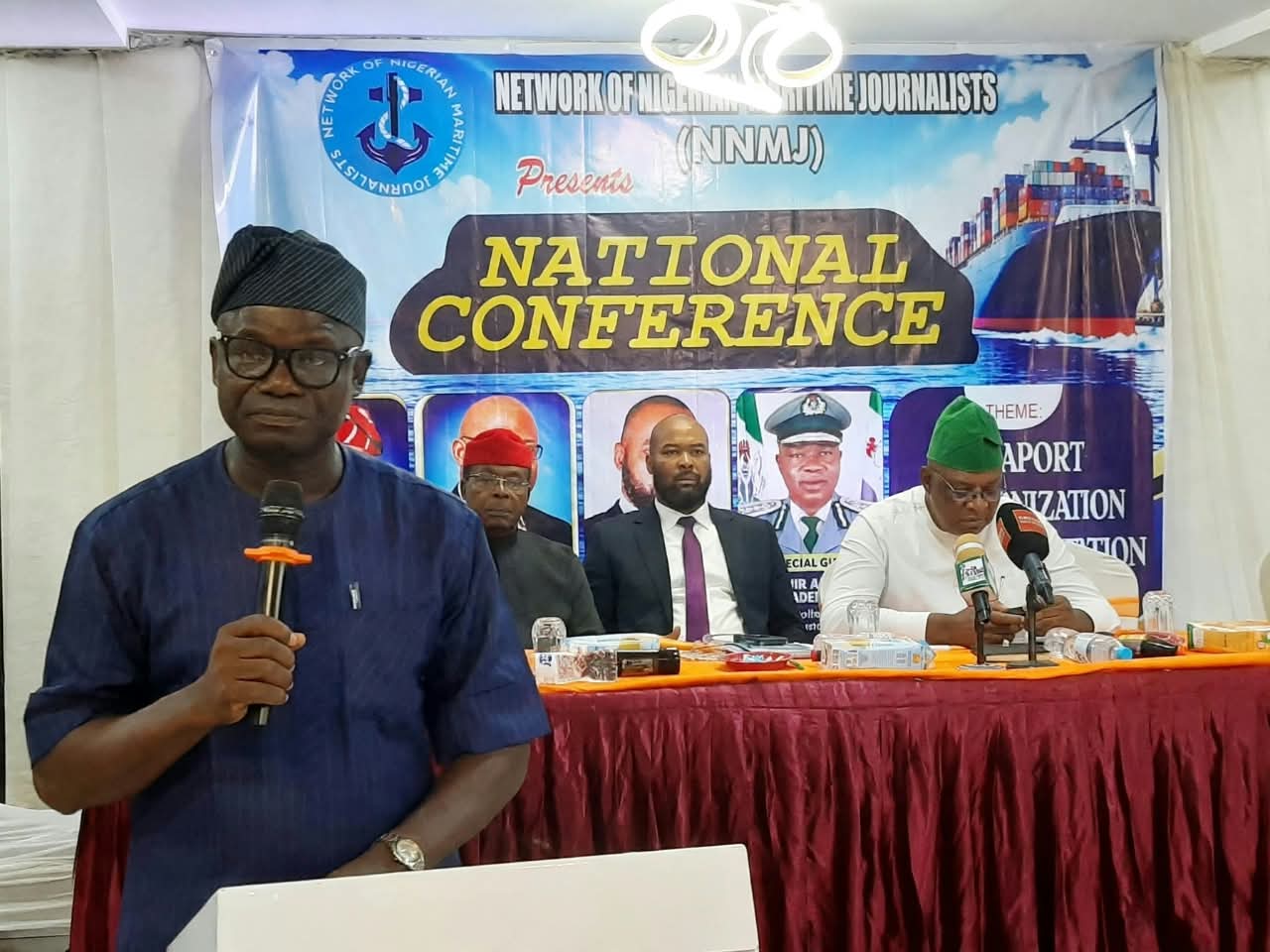

The Chairman of Nigeria Union of Journalists (NUJ), Lagos State Council, Mr. Adewale Akodu, has appealed to the Nigeria Customs Service to sustain its reform initiatives, particularly in the areas of trade facilitation, intelligence-driven operations, transparency, professionalism and stakeholder engagement.
Mr. Adewale Akodu said the success of these reforms should ultimately be measured not only by revenue generated but also by their impact on businesses, consumers, investors and the overall Nigerian economy.
The NUJ Chairman gave these words of encouragement at the 2026 National Conference of Network of Nigeria Maritime Journalists (NNMJ) in Ikeja on Friday, November 13.
Akodu said the theme of the conference, “Seaport Modernisation, Trade Facilitation and Revenue,” was both timely and significant, particularly as Nigeria pursues economic reforms and strategic interventions under the administration of President Bola Ahmed Tinubu.
According to him, “Our seaports remain critical gateways to national development, international trade and revenue generation. Therefore, modernising port infrastructure, improving operational efficiency, strengthening trade facilitation and enhancing revenue collection are essential to unlocking the full potential of the maritime sector.
“I believe this conference offers an important opportunity for stakeholders to critically examine ongoing government reforms, assess their impact and advance practical recommendations that will make Nigeria’s maritime industry more competitive, efficient and responsive to the demands of a changing global economy.”
He said beyond infrastructure development, Nigeria must recognise that effective port modernisation requires the adoption of modern technology, digitalisation of port operations, improved cargo clearance procedures, transparency in revenue administration and the elimination of unnecessary bureaucratic bottlenecks. “These measures will reduce the cost of doing business, improve the ease of international trade, attract investment and strengthen Nigeria’s position as a leading maritime hub in West and Central Africa.”
He called for collaboration among government agencies in the port as their coordinated approach to management would minimise delays, address operational inefficiencies, combat smuggling and revenue leakages.
Related Posts


“There is also a compelling need to strengthen collaboration among the Nigeria Customs Service, Nigerian Ports Authority, shipping companies, terminal operators, freight forwarders and other relevant agencies. A coordinated approach to port management will minimise delays, address operational inefficiencies, combat smuggling and revenue leakages, and ensure that our ports operate in line with international best practices,” said the NUJ Chairman.
He commended the Nigeria Customs Service for its support for this Unity Conference, saying “Your partnership demonstrates an appreciation of the critical role of the media in promoting public understanding, constructive engagement, institutional accountability and the success of government policies. Such collaboration between the media and public institutions is essential for national development.”
Akodu, who appealed to the Nigeria Customs Service and other agencies to support NUJ members in the area of welfare and training, called for stronger unity, mutual respect and deeper collaboration among the various media associations and professional groups covering the maritime industry.
“As Chairman of the NUJ Lagos State Council, I wish to use this opportunity to advocate stronger unity, mutual respect and deeper collaboration among the various media associations and professional groups covering the maritime industry. While our platforms and affiliations may differ, our professional interests and responsibilities remain interconnected. We must therefore put aside divisions, build bridges and work collectively to advance the welfare, credibility and professional standing of maritime journalism.
“I also wish to appeal to the Nigeria Customs Service to extend its partnership with the media by supporting the NUJ Lagos State Council’s programmes, particularly in the areas of journalists’ welfare, professional development, capacity building and continuous training. Investing in journalists is ultimately an investment in credible information, responsible journalism and a better-informed society.
“Furthermore, maritime journalism has become increasingly specialised, requiring journalists to possess adequate knowledge of international trade, customs administration, shipping regulations, port economics, logistics and emerging maritime technologies. I therefore urge relevant government agencies and private-sector operators to support specialised training opportunities, industry briefings, research initiatives and professional exchanges that will equip journalists with the knowledge required to report accurately, objectively and authoritatively on developments in the sector.
“The media must also recognise its responsibility as a watchdog of society. Our duty goes beyond reporting events; we must investigate, educate, interrogate policies and hold institutions accountable without compromising professionalism, fairness and accuracy. A vibrant and independent maritime media is indispensable to promoting transparency, exposing systemic challenges and sustaining public confidence in the institutions responsible for managing our ports and maritime resources,” said the NUJ Chairman.
Concluding, Akodu said said this conference should go beyond conversations and resolutions but inspire practical partnerships, enduring relationships and concrete actions that will strengthen Nigeria’s maritime industry and the journalism profession.
“I strongly believe that the future of Nigeria’s maritime sector depends not only on modern ports and efficient customs administration but also on credible information, institutional transparency, responsible leadership and effective stakeholder collaboration. The media must therefore remain an active partner in shaping the conversations, monitoring implementation and communicating the outcomes of policies that affect the industry and the Nigerian people,” Akodu concluded.