

Niger Delta region poised for shift from oil and gas – Tantita Security

…As Captain Warredi Enisouh bags Honourary PhD
The Executive Director Operations and Technical, Tantita Security Service, Captain Warredi Enisouh, over the weekend in Asaba, Delta State, was honoured with Honourary Doctorate degree and Lifetime Achievement Award by Highstone Global University, Texas, USA.
Speaking after receiving the awards, Captain Warredi Enisouh expressed gratitude to High Chief Government Ekpemupolo, popularly known as Tompolo, and the staff of Tantita Security Services, over the awards.
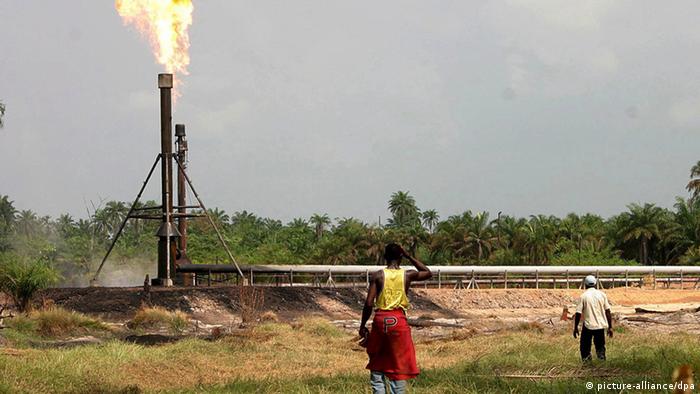
He praised the resilience and resourcefulness of the people of Niger Delta, noting that the Niger Delta region is the face of the Nigeria’s littoral identity and is poised for a shift beyond its traditional oil and gas focus.
Warredi maintained that the shift is to innovative carbon credit initiatives as the region could generate as much as $320 million annually by harnessing its vast vegetation and untapped environmental potential.
Warredi Enisouh stated that their goal is to make Niger Delta communities economically independent of oil and gas by engaging them in carbon credit generation and carbon capture programs.
He said according to research conducted in the region, mapped areas with approximately 50,000 trees could generate $320 million annually, providing a sustainable alternative income stream for the people. However, he cautioned that the figure would require scientific validation and alignment with Nigeria’s Climate Change Act of 2021 to ensure long-term success.
Acknowledging the progress made in restoring the Niger Delta’s ecosystem, Captain Warredi credited the Nigerian National Petroleum Corporation’s (NNPC) pipeline protection programs and the continuity of environmental policies from the previous administration to the current government of President Bola Ahmed Tinubu.
Related Posts


He noted that these efforts have led to a resurgence of marine life in previously degraded waters, with fish, crayfish, and other aquatic species gradually returning.
Despite the achievements, he emphasized the challenges posed by illegal ships entering Nigerian waters and the need for stricter maritime security.
He praised the efforts of the National Security Adviser and other stakeholders in working towards securing Nigeria’s maritime wealth. However, he stressed the importance of demarcating maritime borders, streamlining environmental programs, and conducting extensive sensitization campaigns to ensure the success of the carbon credit initiative.
He revealed that the project is not merely about financial gains but about preserving the environment for future generations. He expressed a deep commitment to reversing decades of environmental degradation in the Niger Delta, stating that the initiative is part of a broader effort to reclaim the region’s natural beauty and secure a viable future for its communities.
He also emphasized the importance of changing behavioral patterns in the Niger Delta to foster a more investor-friendly environment. He believes that sensitizing communities to move away from harmful activities will attract investors who can bring development and create much-needed jobs.
Warredi highlighted that achieving these goals requires collaboration with federal and state governments, as well as private sector involvement, to ensure all programs align with scientific best practices and legal frameworks.
As he looked to the future, Captain Warredi reiterated his optimism about the region’s prospects. With the potential for substantial revenue from carbon credits, increased ecosystem restoration, and improved maritime security, the Niger Delta is on the verge of a transformative era.
He concluded by acknowledging the immense contributions of the littoral states, which have brought global attention to the region not just through oil and gas but through its vast untapped potential.