
LCCI: Lekki Port tranships 40,000 TEUs to West African Ports

Lekki Port has transhipped 40,000 TEUs across to different seaports in West Africa since it began transshipment operations in June 2023. Nearly half of this figure was done in just the first six months of 2025.
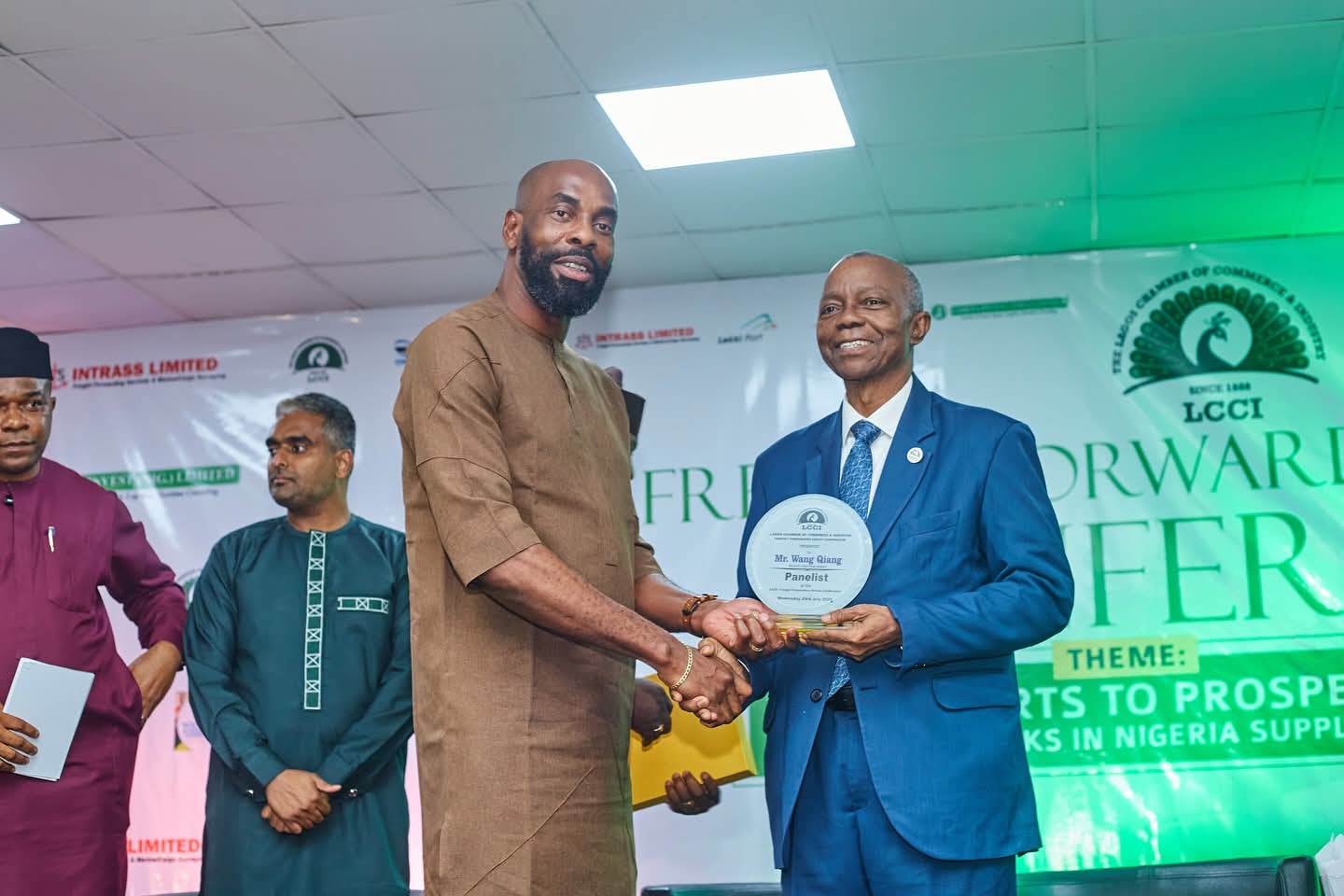
Mr. Daniel Odibe, Deputy Chief Operating Officer, Lekki Port, made this known during a panel discussion at the Lagos Chamber of Commerce and Industry (LCCI) Freight Forwarders Group Conference held on Wednesday, July 23, 2025 in Lagos.
The theme of the conference was “From Ports to Prosperity: Fixing the Links in Nigeria’s Supply Chain.”
While spotlighting the port’s growing role in unlocking transshipment value for West Africa, Odibe said “With a 16.5-meter draft and super-post-Panamax cranes, Lekki Port can receive the largest vessels in the world and discharge cargo swiftly. This saves shipping lines both time and cost.”
Odibe informed that the port management is working with various agencies and partners to improve transhipment to landlock countries.
Related Posts

“Lekki Port is not just operational—it is exemplary. We are already working with agencies and partners to scale transhipment into landlocked countries and reduce overall port dwell time. Seamless systems are not a luxury; they are a necessity,” said he.
Also speaking during the discussion, Oluwafemi Omonayin, Assistant Director, Nigerian Shippers’ Council, echoed industry sentiment with a resounding endorsement of the port’s performance, “Even recently, we were at your port and saw what you put on the ground—most of your operational activities are seamless.”
Dr. Ikenna Nwosu, Deputy Chairman, LCCI Freight Forwarders Trade Group & Managing Director, Cobita Invest Limited, the panel moderator, further reinforced this sentiment during a widely applauded moment, remarking that “Another round of applause to Lekki Port for connecting the movement of transit cargo. Your scanning machine—30 seconds to scan a container. That’s real efficiency.”

Beyond the plaudits, several speakers cited Lekki Port as a case study in aligning infrastructure investment with national trade facilitation goals. Discussions touched on the importance of multimodal connectivity—rail, road, barge—and the port’s positioning within the larger AfCFTA context to serve landlocked African countries.
The LCCI conference served as a dynamic forum to explore gaps in Nigeria’s freight forwarding and customs value chain, with participants calling for the replication of Lekki Port’s “smart port” model across the country.