
Inefficient transportation network contributes to rising logistics costs, delayed deliveries, higher prices of goods – Opeifa
... identifies integrated transport system as key to Nigeria’s economic competitiveness
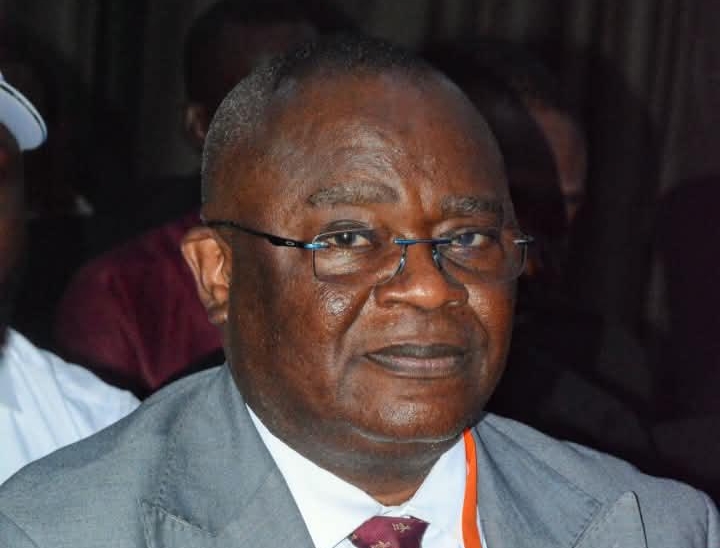

The Managing Director of the Nigerian Railway Corporation (NRC), Dr Kayode Opeifa, has stated that inefficiencies in the country’s transportation network contribute to congestion, rising logistics costs, delayed deliveries, reduced productivity and higher prices of goods and services.
Opeifa, however, identified an integrated transportation and logistics system that supports production, trade and mobility as a critical driver of Nigeria’s economic resilience and competitiveness.
Opeifa stated this while speaking on the theme, “Scaling the Future: Building a Resilient and Efficient Mobility and Logistics Ecosystem in Nigeria,” at the BusinessDay Mobility and Logistics Conference in Lagos.
According to him, rail transportation occupies a strategic position in developing an efficient national transport network, adding that an integrated system with rail as a key component could translate improved connectivity into greater economic competitiveness and growth.
The NRC managing director explained that rail offers high-capacity transportation for long-distance passenger and freight movement, reduces pressure on highways and strengthens connections among seaports, industrial clusters, inland terminals and urban centres.
He stressed that the different modes of transportation should complement one another rather than operate in competition.
“Rail should not be viewed as a competitor to road, maritime or air transportation, but each should continue to develop as complementary components of an effective integrated transport system,” he said.
He noted that while road transportation remains essential for cargo collection and last-mile delivery, maritime transport connects Nigeria to international trade, and inland terminals facilitate cargo handling and distribution. Rail, he added, provides the high-capacity link between these facilities and production and consumption centres.

Opeifa said seamless integration of the various transport modes would help reduce avoidable logistics costs, promote regional commerce, improve access to markets and strengthen the competitiveness of Nigerian products.
Highlighting the corporation’s priorities since assuming office, Opeifa said the NRC’s track access policy provides opportunities for private investors to operate passenger and freight services along the country’s railway corridors.
Related Posts

He also outlined the corporation’s Vision 2:5:10:20, which focuses on optimising existing railway assets, restoring viable dormant corridors, expanding freight operations, strengthening private-sector partnerships and progressively extending the national rail network.
According to him, the corporation aims to expand the railway network from approximately 4,000 kilometres to 10,000 kilometres within five years, with a long-term target of about 20,000 kilometres.
“Our ambition is to consistently grow the networks from approximately 4,000 kilometres that we met, to 10,000 kilometres within five years and ultimately achieving about 20,000 kilometres over the long term.
These are no doubt strategic targets that require sustained investment and implementation,” he said.
He explained that immediate priorities include improving the utilisation of the country’s two legacy narrow-gauge lines and three standard-gauge lines, restoring operational capacity, expanding freight services and strengthening links between rail infrastructure, ports and inland terminals.
Opeifa said these measures would maximise the value of existing railway assets while laying the foundation for future network expansion.
The NRC chief also highlighted ongoing and planned railway infrastructure projects under President Bola Ahmed Tinubu’s administration.
He said efforts were being made to extend the standard-gauge railway to Apapa Port and establish a connection to Tin Can Island Port, with the aim of improving freight movement and strengthening links between the rail network and maritime facilities.
He further stated that the Kano–Maradi railway line was expected to be completed in 2027, while work was ongoing on plans for a central railway corridor linking the Warri–Itakpe line to Abuja.
According to him, the government also plans to commence construction of the Marina–Lekki railway line, while efforts are underway to support the Kaduna–Kano inter-state train service and the Kano State Government’s proposed intra-state rail services.
He said the projects formed part of broader efforts to expand rail connectivity, improve passenger mobility and enhance the movement of goods across the country.