
Dangote Group does not need to own every ship – Olubowale
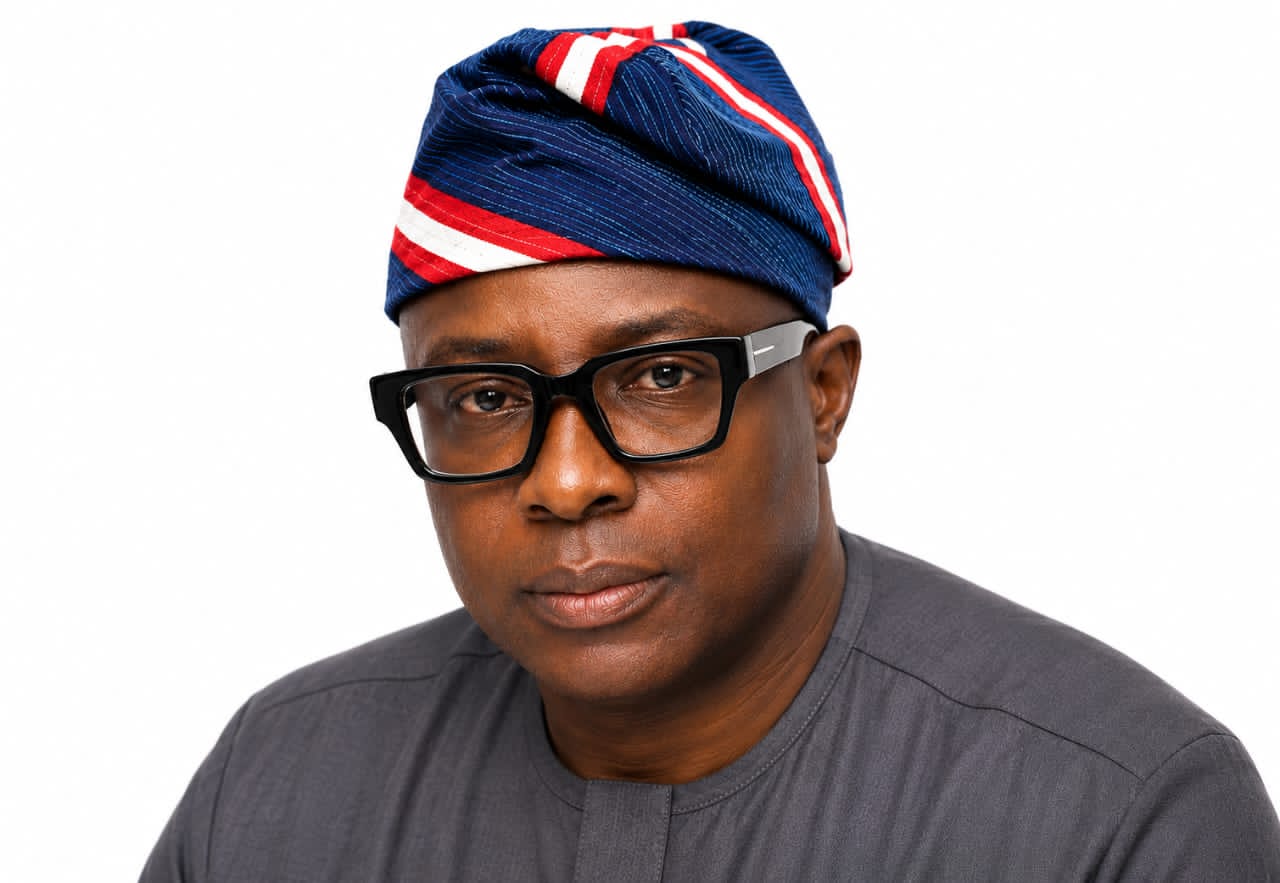

A former President of Africa Shipowners Association, ASA, Captain Ladi Olubowale, says there is nothing inherently wrong with Dangote Group owning vessels but does not need to own every ship, rather it should consider giving part of the cargo requirements to competent Nigerian shipowners to lift.
It would be recalled that Dangote Group recently disclosed the plan to acquire vessels to distribute all its products across West and Central Africa because of the limited shipping capacity and the high cost of road transportation in Nigeria.
Captain Ladi Olubowale, an indigenous shipowner and maritime industry leader, gave this counsel while speaking at an interaction in Lagos on vessel acquisition and its impact on the national economy.
Olubowale, said “There is nothing inherently wrong with the Dangote Group owning vessels. A major industrial organisation must secure its supply chain and move its products efficiently and competitively.
“But I believe there is a greater opportunity. Rather than building an entirely vertically integrated shipping system in which the industrial producer ultimately owns most of the vessels carrying its products, part of that cargo requirements could be deliberately structured to develop competent Nigerian shipowners.
“This can be achieved through firm, medium- and long-term Contracts of Affreightment (COAs), time-charter arrangements and other bankable cargo commitments awarded to technically qualified indigenous operators.”
Olubowale, who is the Managing Director of Seamate Group, maintained that the planned acquisition has exposed Nigeria’s inadequate indigenous vessel capacity. “We have already seen the consequences of Nigeria’s inadequate indigenous vessel capacity. When Nigerian operators do not possess vessels of the appropriate size, specification and operational capability required by major cargo owners, commerce will not wait for us. The cargo will move. And somebody else’s ships will carry it,” said a former ASA President, absolving Dangote of any blame of using available foreign vessel capacity.
He said in shipping, cargo is the foundation upon which fleets are built, expressing confidence that the enormous cargo from the Dangote’s industrial operations could become the catalyst for building a new generation of Nigerian shipowners and positioning Nigeria as a major African shipping hub.

“I believe it can. And if properly structured, the economic impact could extend far beyond Dangote, beyond the maritime industry and even beyond Nigeria,” said he.
On ship acquisition, Captain Ladi Olubowale spoke against the idea of buying a ship simply because financing is available but we should be asking ourselves where is the cargo that will sustain the ship.
He said if shipowner wants to buy a cargo worth of $25 million and approaches a bank, the immediate questions will be on vessel type, what trade, the charterer, the cargo, the contract terms, loan repayment, etc.
Related Posts

According to him, “Shipping is attached to trade. Before acquiring a vessel, a serious shipowner must understand the cargo, its volume, the route, frequency, vessel specification, charter structure and duration of the commercial opportunity. Once there is identifiable cargo backed by a firm, long-term contract, vessel financing becomes a significantly more bankable proposition.
“And Nigeria has cargo. Oil and gas generate cargo. Agriculture generates cargo. Cement generates cargo. Fertiliser generates cargo. Manufacturing generates cargo. The Dangote Refinery generates cargo on a scale capable of influencing regional maritime trade. The challenge is converting these cargo opportunities into sustainable Nigerian shipping capacity.
“But imagine the same Nigerian shipowner approaching that financial institution with a firm multi-year cargo contract from a major industrial company such as Dangote. That is a fundamentally different financing proposition. The cargo becomes the foundation of the financing. The contract gives visibility to future earnings. The vessel becomes connected to an identifiable trade. The lender has greater visibility over repayment. And the shipowner has an opportunity to build a sustainable business rather than merely acquire an expensive asset.”
Turning these cargo into a national maritime development opportunity, the Master Mariner advised Nigeria to bring together major cargo owners, credible indigenous shipowners, NIMASA, Nigerian financial institutions, development finance institutions, Afreximbank, insurers and experienced international technical partners to map cargo and determine: how much crude, refined petroleum product, fertiliser and cement and dry bulk cargo to be transported, the routes, vessel sizes required, and projected cargo volumes over five, ten and fifteen years.
He said “Once we understand the trade, we can determine the fleet. Not the other way around. We can identify the Aframax tankers, product tankers, bulk carriers, coastal vessels and specialised marine assets that Nigeria actually needs.
“Qualified Nigerian shipowners can then be matched with specific cargo opportunities and supported to acquire appropriate vessels. That is strategic fleet development,” Olubowale said, canvassing that the Cabotage Vessels Financing Fund (CVFF) also be viewed within this broader framework.
“Its (CVFF) success should not simply be measured by how many shipowners receive money. The real measure should be: How many commercially sustainable Nigerian-controlled vessels did the fund create? How much Nigerian cargo did those vessels capture? How many sustainable Nigerian maritime businesses emerged? How many seafarers received employment and sea time? How much freight income remained within Nigeria?
“If an indigenous shipowner has a credible cargo contract and an appropriate vessel can be acquired for the trade, then CVFF and commercial financing can become powerful instruments for fleet development. But vessel financing without trade risks creating ships searching for cargo. Nigeria needs the opposite: Identify the cargo. Secure the trade. Structure the financing. Acquire the appropriate vessel.”
Concluding, Captain Ladi Olubowale urged Nigeria to stop exporting of her maritime values and create the environment for private sector to build the industry.
“Every time Nigerian cargo is transported by foreign-controlled shipping capacity because suitable indigenous capacity does not exist, freight payments leave the economy, charter revenues leave, technical management revenues leave, marine insurance opportunities may leave, ship-management opportunities leave, repair and maintenance opportunities leave, employment opportunities leave, and training opportunities leave. And ultimately, the knowledge required to build a sophisticated maritime economy develops somewhere else.
“Government cannot successfully operate every ship. Nor should it attempt to. Government’s responsibility is to create the regulatory, financial and commercial environment that allows competent indigenous operators to thrive,” he submitted.